
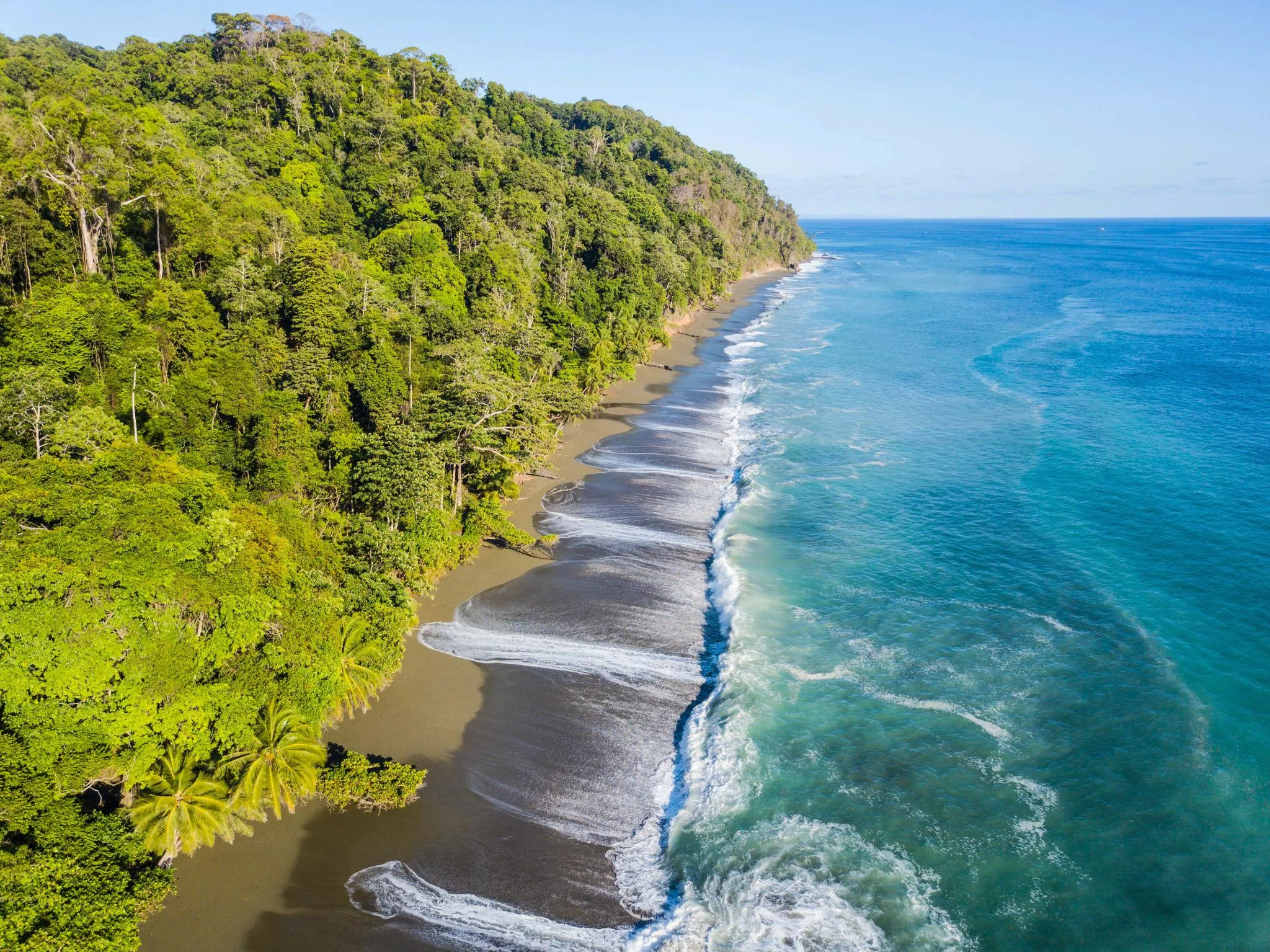
Beyond Corcovado: Into the Osa
Posted Sep 28, 2026
It has been wonderful to see the Osa Peninsula receiving so much attention recently. The New York Times included it among its 52 Places to Go in 2026, and recent stories from Condé Nast Traveler and National Geographic Traveller have brought readers closer to this part of Costa Rica.
Corcovado National Park is often the reason they first hear about Osa. It deserves that attention. But when we plan a journey here, we think beyond a single park visit. We think about the roads, communities, coastlines and waterways around it, and how different the experience feels from one side of the peninsula to another.
Much of Costa Rica’s wild south is protected through a network of national parks, wetlands, marine areas and private reserves, helping its rainforests, mangroves and coastal waters remain connected.
Four Ways to Experience Costa Rica’s Wild South we love to share.
1. The Osa Peninsula, Corcovado and the roads beyond it
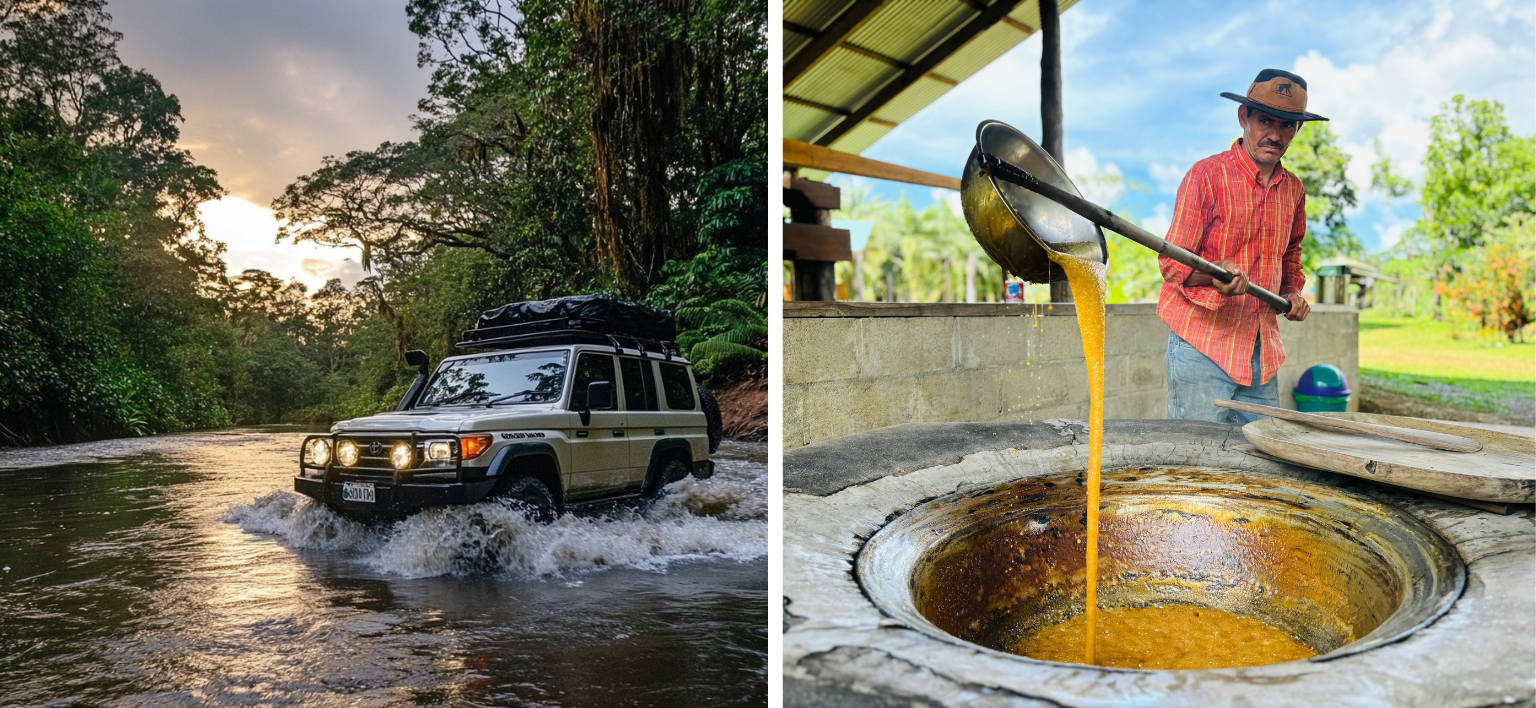
Around Puerto Jiménez, Dos Brazos and Cabo Matapalo, the journey itself becomes the experience. Our private Land Cruiser expeditions take guests along backroads, past small communities and through landscapes that can change after a night of rain. Sometimes we stop because our guides spot wildlife. Sometimes it is simply because the view deserves a few minutes.
There are families here who still make sugarcane sweets and chocolate by hand. Guests can hear stories of Osa’s gold-mining past with locals. On another day, the road leads to a waterfall and a private tropical picnic, with time for a swim before heading back.
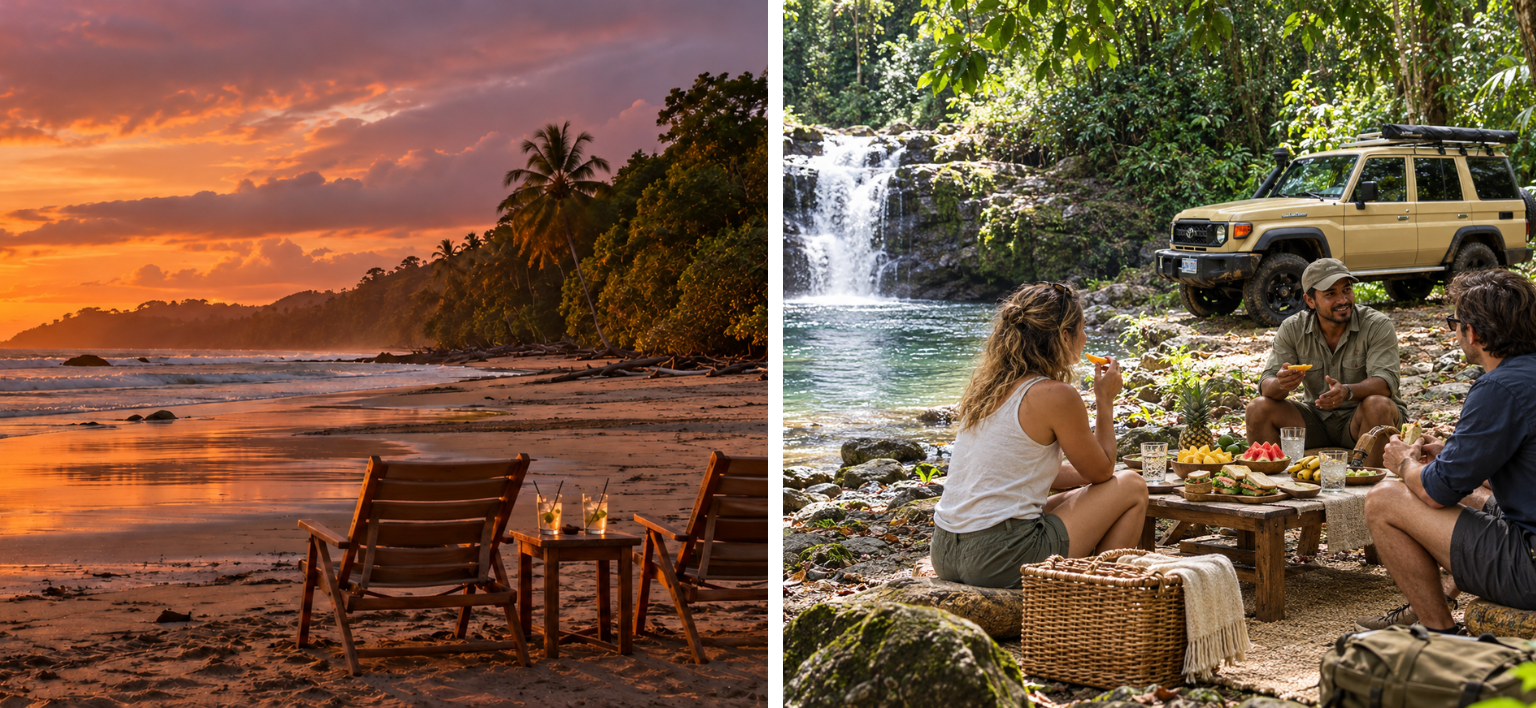
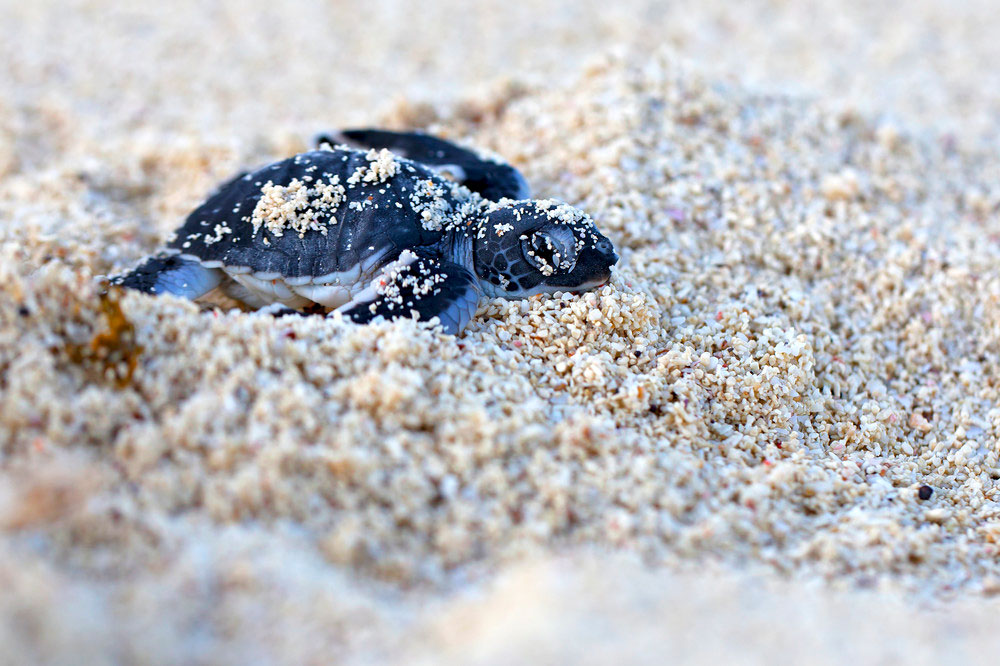
The coastline has its own character. Around Cabo Matapalo, a day might include Playa Pan Dulce, Backwash Beach and a drink as the light begins to fade. When nesting activity and conservation work allow, you may also have the chance to learn about local sea turtle protection and witness a hatchling release.
Corcovado belongs in this chapter too. A guided visit takes travelers into the national park itself, with its forest trails and remarkable wildlife such as the tapir and some of the peninsula’s more elusive species. The Land Cruiser days explore the communities and landscapes around the park. Together, they tell a much fuller story of the peninsula.
2. Drake Bay and Isla del Caño, The Pacific side
On the peninsula’s outer Pacific coast, Drake Bay is another way into Corcovado. Boats carry visitors to park entrances such as Sirena or San Pedrillo, and the bay makes a good place for travelers who want to spend time on the water as well as in the rainforest.
Right in front is Isla del Caño Biological Reserve. A boat trip there changes the focus below the surface, with snorkeling or diving arranged around each traveler’s interests. This reserve offers some of the most rewarding underwater experiences in the region.
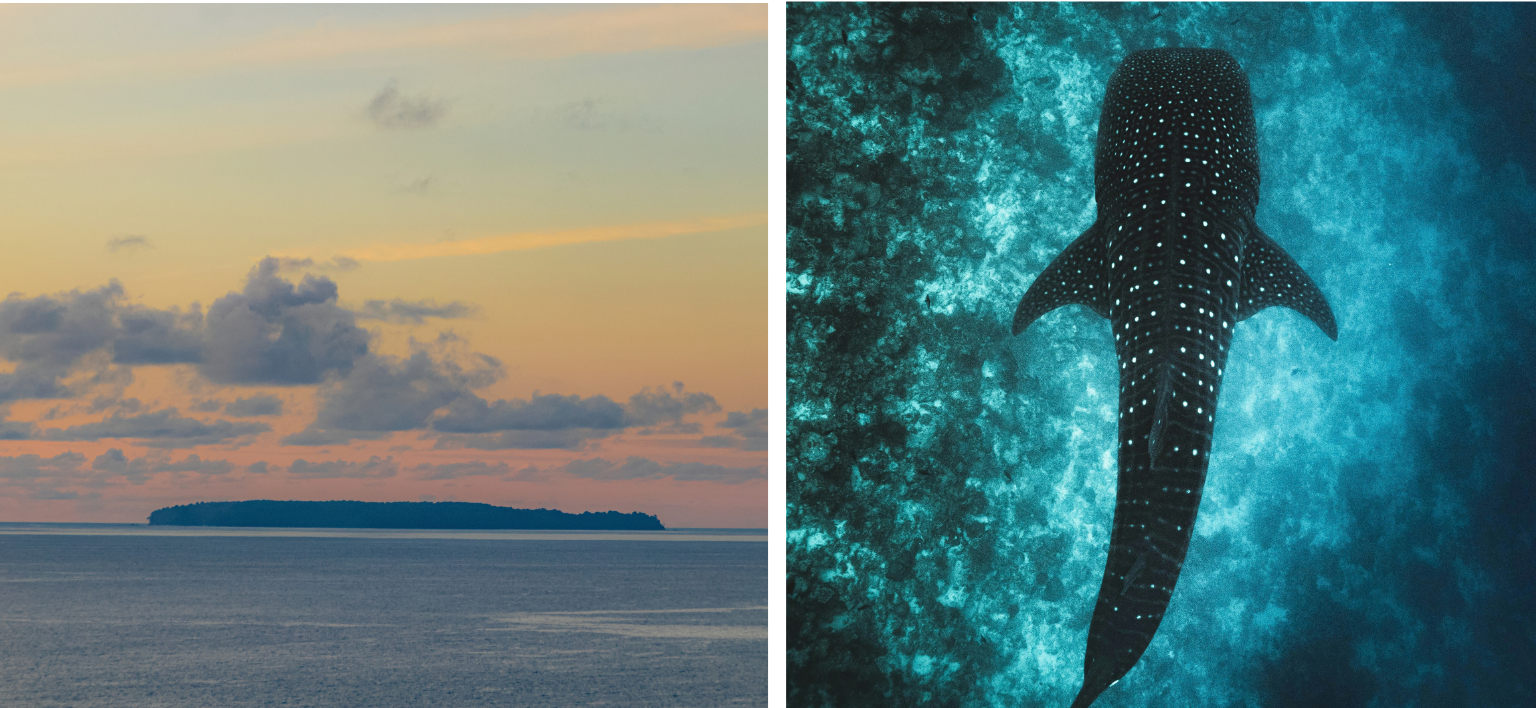
We would plan this side of Osa as more than a quick excursion. The boat journeys, park visits and time at sea each deserve room in the itinerary. Wildlife usually appears along the way, but we cannot predict a particular sighting. That for sure is part of being here.
3. Golfo Dulce and Piedras Blancas, The sheltered side
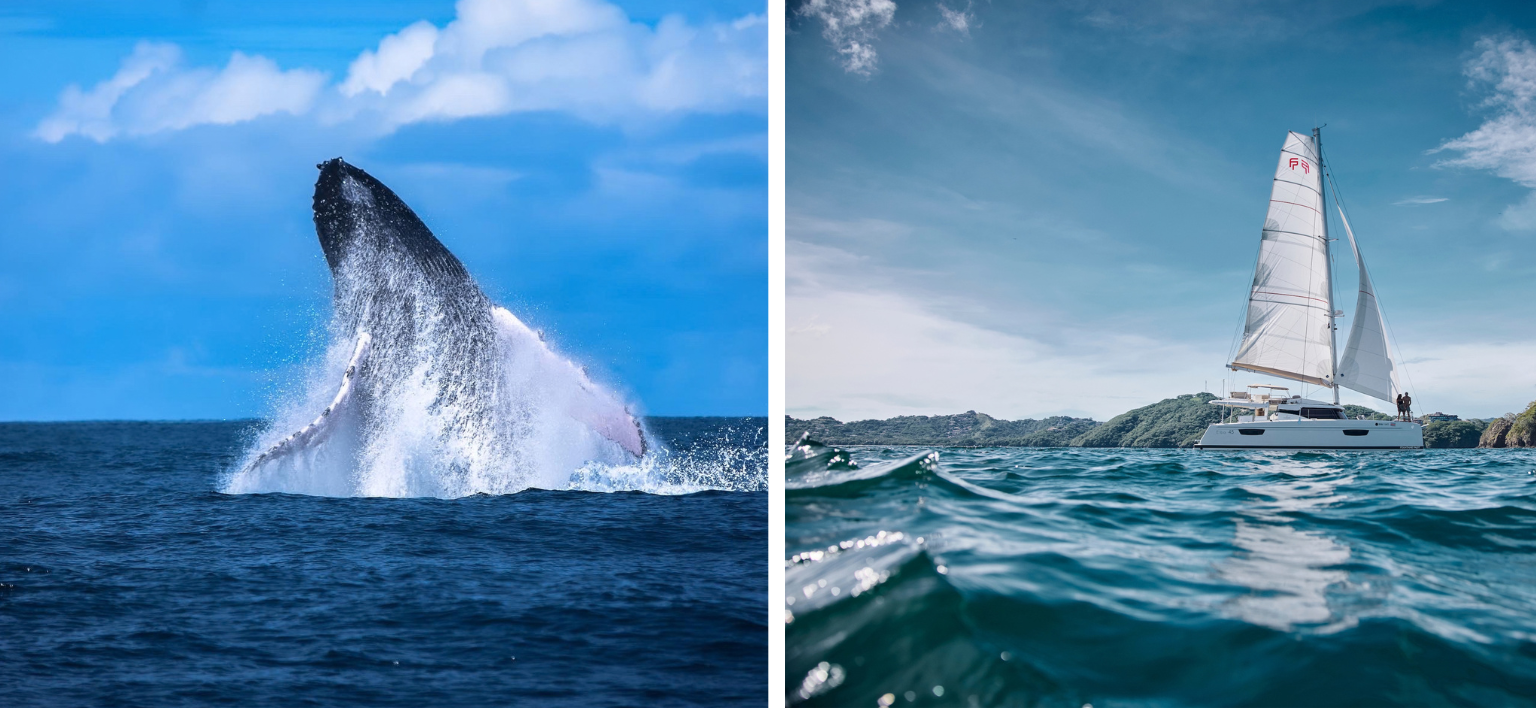
Crossing Golfo Dulce by private boat switches the pace of a journey. The rugged roads of the peninsula fall behind, and the rainforest is now seen from the water. Dolphins may be spotted beside the boat; humpback whales, sea turtles and rays are possible sightings as well, as the gulf provides an important nursery for marine life.
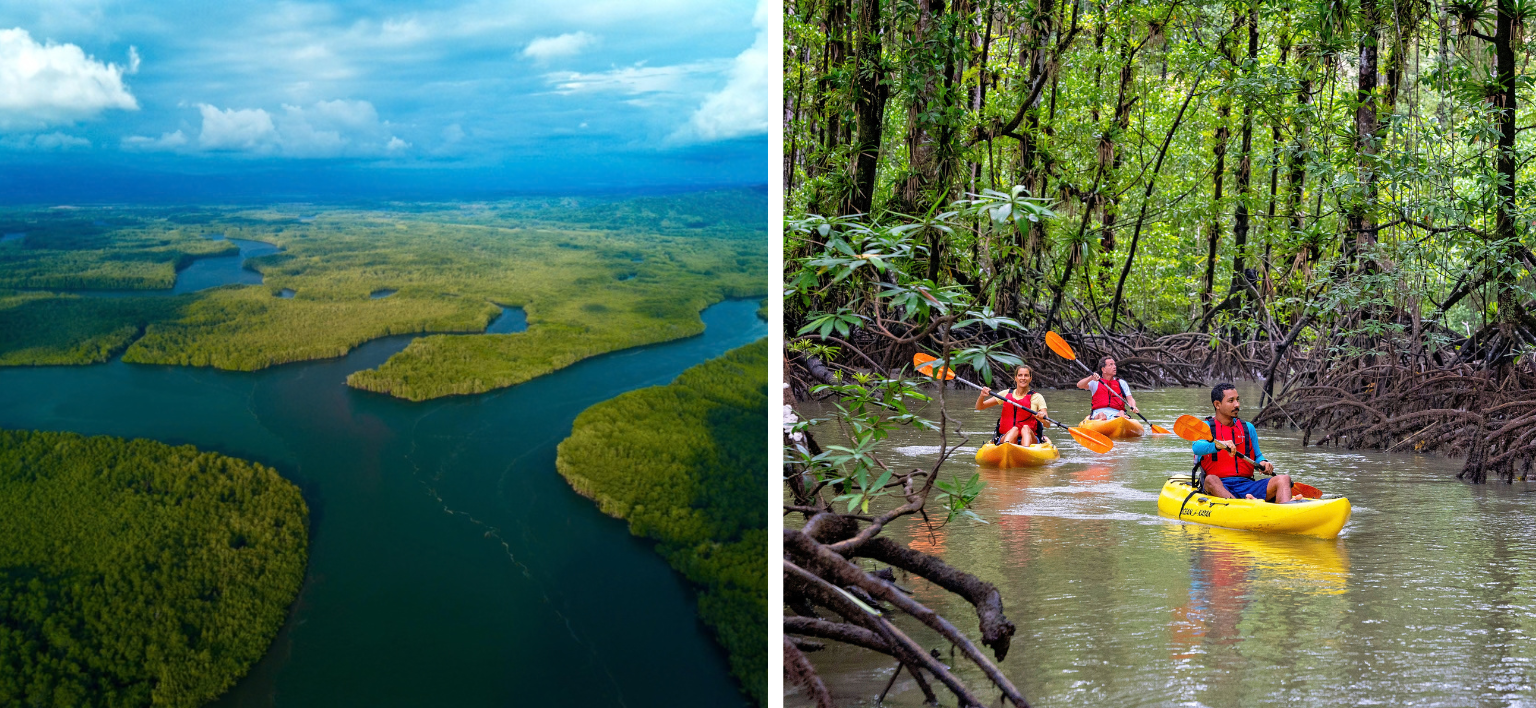
On the gulf’s eastern side, Piedras Blancas National Park protects another stretch of rainforest. Guests can walk forest trails, kayak among the mangroves of Río Esquinas and spend time simply watching wildlife in between the trees and the shore.
4. Sierpe and Uvita: The journey into the wild south
North of the peninsula, Sierpe is a gateway to Drake Bay and a place worth exploring in its own right. A boat journey through the Térraba–Sierpe wetlands reveals a network of impressive rivers and mangroves before the reaching the Pacific coast.
Uvita and Marino Ballena National Park introduce another side of the southern coast. For some travelers, this is where the journey south begins; for others, it is where they stop on the way back. The beach, marine environment and seasonal whale watching give the trip another perspective.
Sierpe and Uvita are distinct places, and we plan them according to the route instead of trying to fit everything into one journey.
Giving Osa the time it deserves
We have learned never to predict exactly which animals guests will see here. A guide may notice fresh willd cat tracks near a trail. Scarlet macaws may cross above the road. Whales may show during a boat crossing. The best plans leave time to stop when those moments happen.
Our six-night Osa Explorer follows two of these perspectives closely: four nights on the peninsula, traveling its backroads by private Land Cruiser, followed by two nights across Golfo Dulce. For travelers with more time, Drake Bay, Isla del Caño, Sierpe or Uvita can become part of a longer journey through Costa Rica’s wild south.
Corcovado may be the name that brings people here. What stays with them is often everything they discover beyond it.
Travel Pioneers Cetral America & Colombia
Luxury Travel DMC
Covs